
The Isthmus of Panama measures only 60 km at the Canal. The Canal itself has a length of 80 km and the transit of a ship takes about 10 hours.
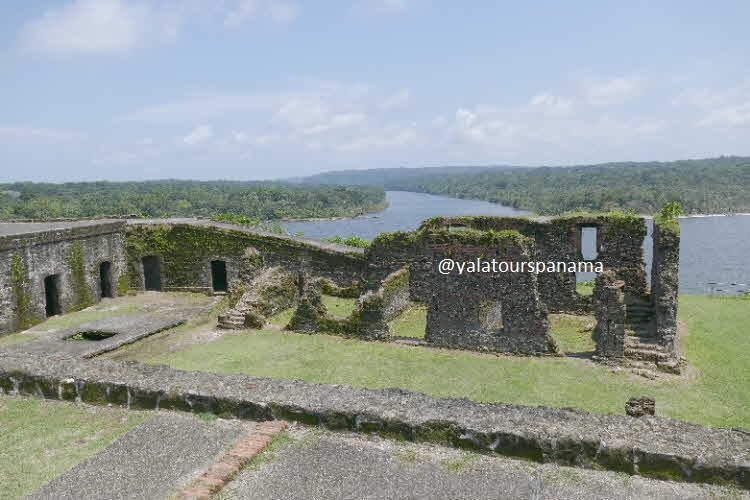
From Panama City at the Pacific it takes about 1-1.5 hours to reach by car the Caribbean (Atlantic) side. Here we travel towards the West to visit the new Agua Clara Locks of the expanded Canal and the old Gatun Locks, continue through the rainforest to the colonial Fort San Lorenzo (world heritage) at the Caribbean Sea.
Another option is driving east along the coast to the small town of Portobelo with colonial forts on both sides of the beautiful bay and visit one of the beaches in the area.
Here some options to experience with us the crossing from the Pacific to the Caribbean by ship, car, train or trekking on a day tour, an overnight tour or a 3-day adventure:
:
A unique experience is to transit the Panama Canal and pass through the locks on board of an excursion ship. In three chambers of the Miraflores and Pedro Miguel Locks you will be elevated from the Pacific to the level of the Canal, 26 m above sea level. Here begins the Corte Culebra. Digging this 14 km long ditch was the biggest effort of the Canal construction. In Gamboa you enter Gatun Lake of the Canal, created by damming the lower Chagres River in order to make it navigable for the ships and to have a water reservoir for the chambers of the locks. The almost half passage finishes in Gamboa or will be done the other way round. The full Canal passage continues on Gatun Lake passing rainforest islands and peninsulas at a distance. The lake becomes wider and in the late afternoon the ship navigates through the three steps of the chambers of the Gatun Locks, getting back down to ocean level. The ship continues towards the Caribbean port Shelter Bay Marina, where buses bring you back to Panama City. Agua Clara and Gatun Locks, Atlantic Bridge At the visitors center of the new Agua Clara Locks you see how the big ships are being elevated or lowered between the Caribbean Sea and Gatun Lake of the Canal. About 15 ships per day pass through the new locks. You might see an enormous container or gas ship. Using huge water saving basins, up to 60% of the water can be reused in the chambers of the new locks. Driving over the huge new Atlantic Bridge to the other side of the Canal you have a great view to the Atlantic Canal entrance, the old and new locks in a distance. San Lorenzo We can take you further back in time by a drive through the rainforest of San Lorenzo Nature Reserve to the mouth of the Chagres River. Here, surrounded by pure nature, the old colonial Spanish Fort San Lorenzo overlooks on a cliff the Caribbean Sea, once protecting the access up the Chagres River towards the Pacific side. This World Heritage Site and its surroundings are a great addition to the Canal visit especially for history buffs and nature lovers. A drive through the beautiful, like a chessboard designed city on a small peninsula gives you an idea of its historic importance, former glamour and its negligence in the last decades. Colon has been founded in 1850 in order to construct the first transcontinental railway during the Californian gold rush. Later its English speaking population, originated from the Antilles, was a great support for the construction of the Canal, its operation and for the presence of US military bases. The scenic railway ride between Panama City and Colon passes through rainforest, on a dam over Gatun Lake and in some parts along the Canal. Its predecessor built in 1850-55 was the first interoceanic railway in the world, facilitating the easiest access from the East Coast of the US to California during the gold rush. After a short tour in the beautiful designed Colon, the tour continues by motor vehicle towards San Lorenzo or Portobelo. (The passenger train is not in operation since Covid-outbreak, except if chartered) The drive takes you partially along the green Caribbean coast before you reach the beautiful, wind protected bay of Portobelo, named by Christopher Columbus on his fourth voyage in 1502. Colonial fortresses of the 17th and 18th century are witnesses of the outstanding importance of this hub between South America and Europe. From here most of the treasures from the Americas were shipped to Spain. The fairs of Portobelo attracted the most famous pirates of the Caribbean in hunt of gold and silver. On our tour you will have great views from different forts strategically positioned around the bay, protecting the access of the Custom House where the treasures were stored (now a small museum). A short stroll through the town of Portobelo takes you to the church, famous for its statue of the Black Christ being carried in the biggest pilgrimage of the country on October 21. At the bay of Portobelo it is possible to dive at a reef and around Drake Island where it is thought the remains of Sir Francis Drake lie somewhere on the ground. Marine life abundance and visibility are quite moderate, but it is an easy option we can offer to dive in the Caribbean. This great rainforest adventure crosses the Chagres National Park on the historic colonial route of the Spaniards between Pacific and Atlantic. Over half of the wealth brought from the Americas to Spain was carried on this trail. Later the English built here a railroad to transport manganese from their mines to the Caribbean. Rails, abandoned over hundred years ago, can be seen still in place in the middle of the rainforest. Crossing rivers and walking in streams are one of the best ways to experience the beauty of the rainforest. We camp in tents or sleep in hammocks two nights along a river on our three day trek. The trail is in some parts slippery, especially the stones in the water. You need to have a very good condition to hike for about 6 hours a day and often in difficult terrain. On the drive back you can visit the colonial forts of Portobelo (world heritage) or a Caribbean beach in the afternoon of the third day. Options: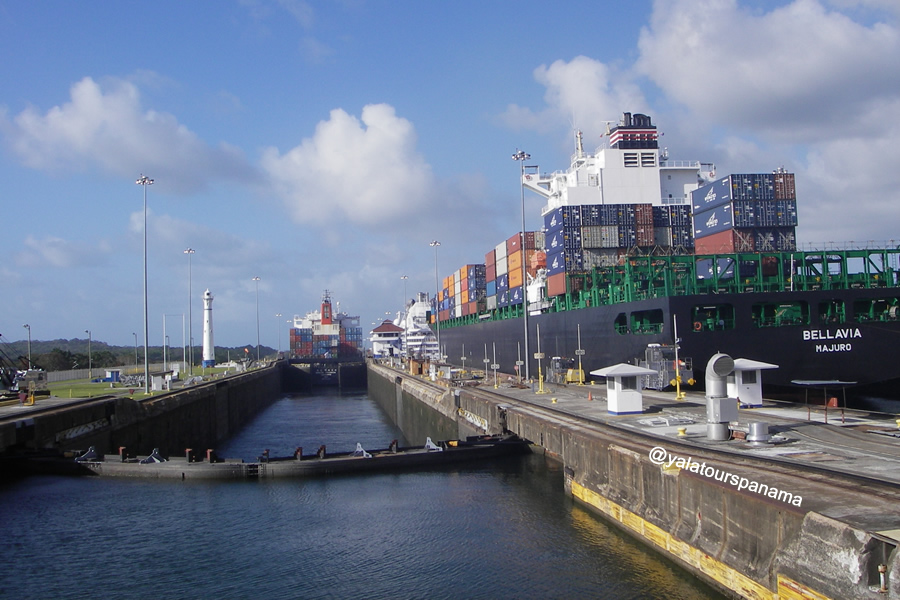
At the platform of the Gatun Locks you have an excellent view how the ships pass through the old locks guided by the unique locomotives holding the ships in the center and Panamax-ships only two feet from the walls on each side. At the earthen Gatun Dam you see how the Chagres River got transformed to the biggest man-made lake at the time.
If wished, we take you on a rainforest walk, looking out for wildlife and discovering the different flora of the evergreen Caribbean side.
The San Lorenzo Nature Reserve is one of the best places for bird watching. Our special birding tour takes you to the famous Achiote Road.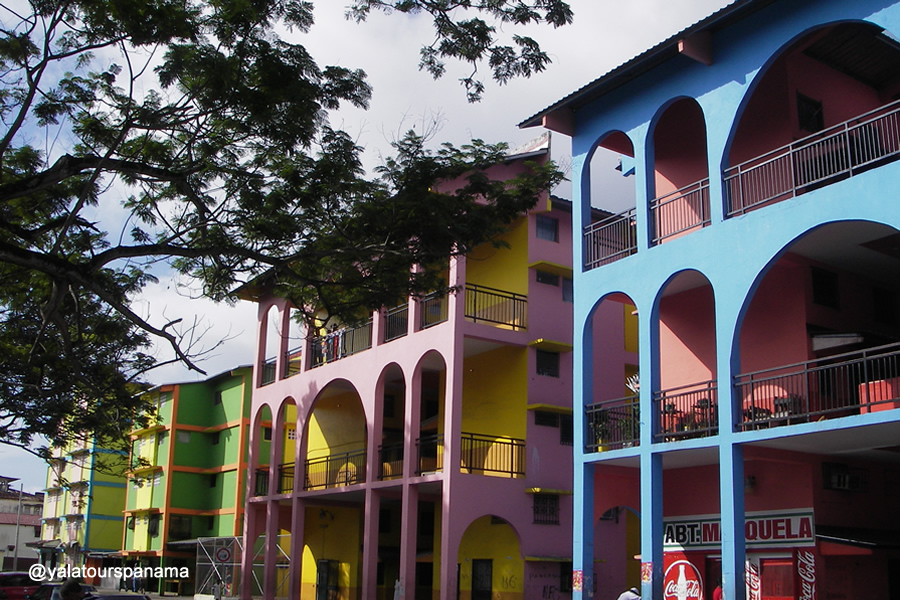
The small city of Colon is surrounded by big ports and the biggest free trade zone of the Western Hemisphere.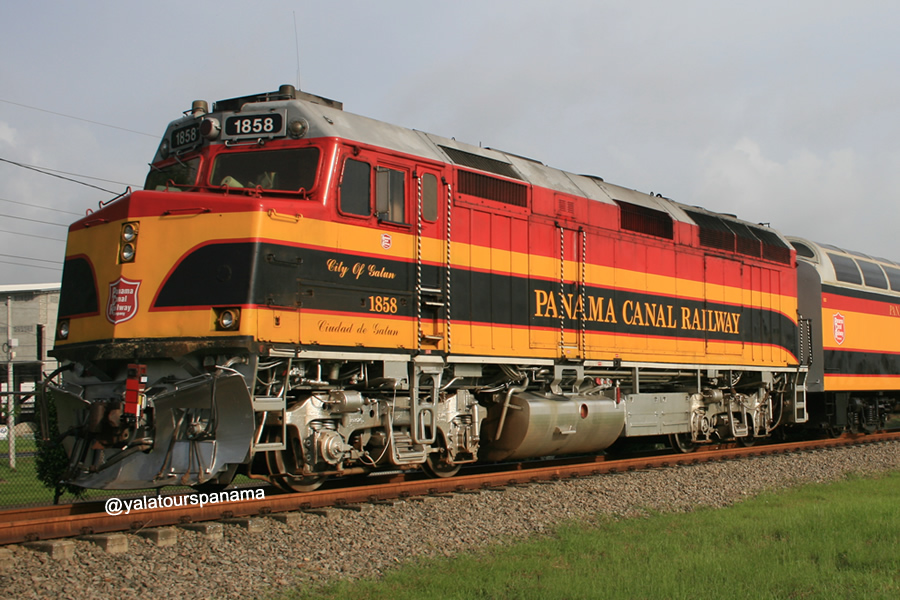
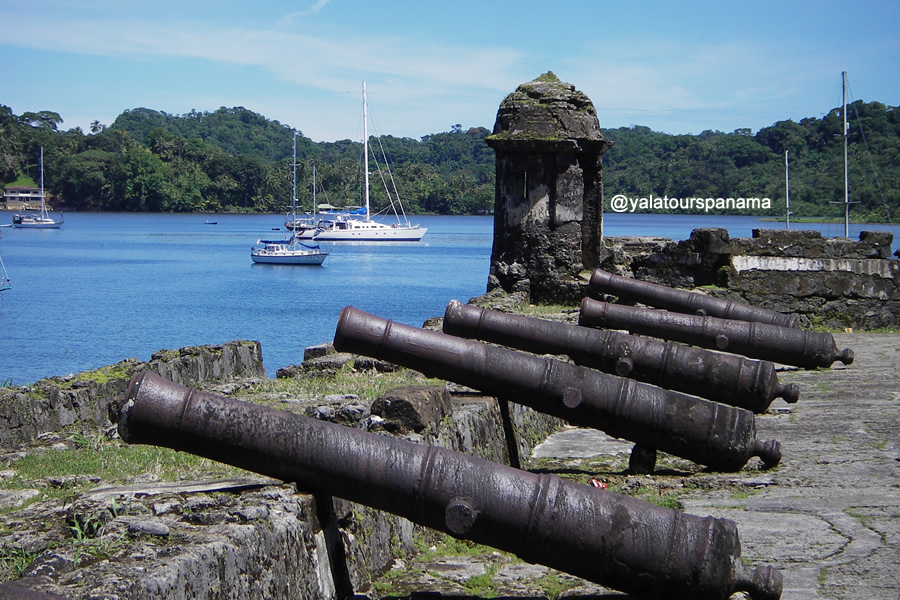
If wished, we combine the tour with a visit to one of the small beaches in the area with some nature walk or boat tour to a secluded beach or island.
(Portobelo is in a just about 2 hour driving distance from Panama City.)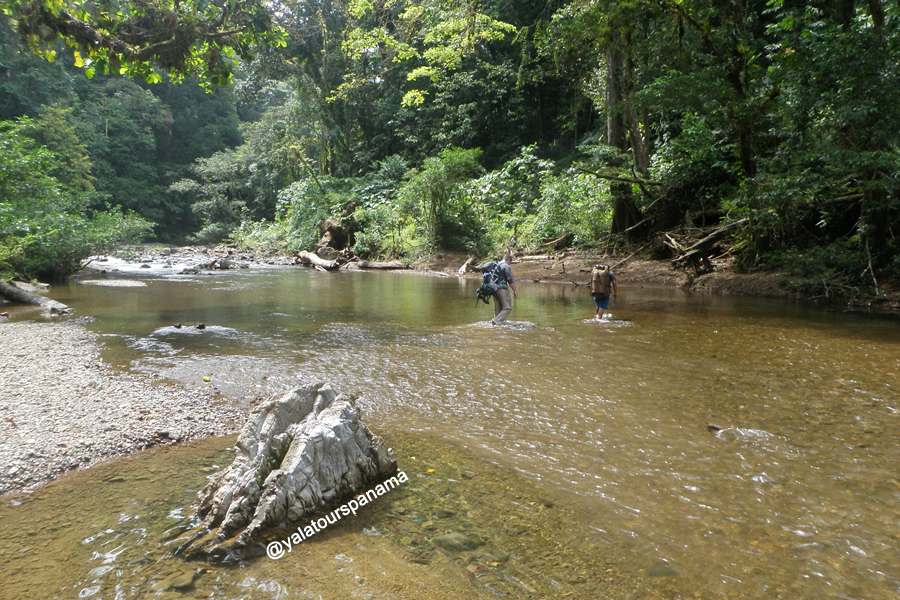
Combination with other tours on the Caribbean side or trekking tours.